
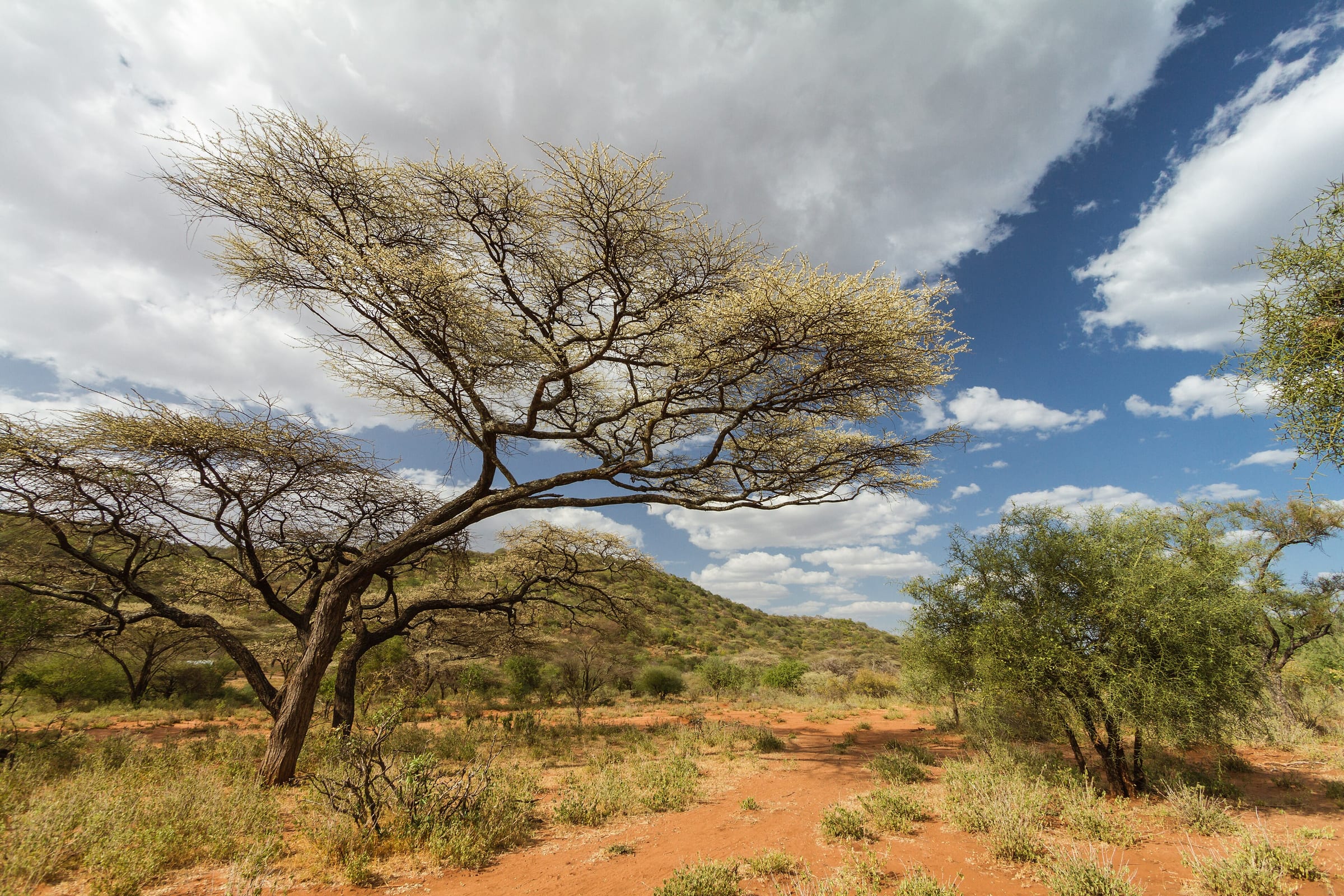
Apolloh, Fleur, Shalini, Jeanisse and I entered through main gate at 6.30am while it was still very chilly. Our first bird was the Green-capped eremomela in the canopy, a continuing rarity. The park has experienced major rainfall and has been converted into a lush paradise, so we decided to take the opportunity of a short break in the rains to visit.
A Hartlaub’s Turaco was already calling loudly, and a Tambourine Dove added it’s mournful song in the background. Activity was slow till we reached Ivory Burning Site, where we photographed our first of many Spotted Flycatchers for the day, darting out for insects, and both Cape Robin-chat and Rüppell’s Robin-chat showed nicely. Overhead it was busy, with ibis, darters, cormorants and herons all carrying nesting material.
The nightingale seems to have left Nagolomon causeway hence we carried on to the dam, adding nesting Speke’s Weavers, Malachite Kingfishers, Black-crowned Night Herons, Water Thick-knees and a few other shorebirds to keep things ticking.
On the way to Hyena Dam, an approachable Yellow-throated Longclaw was singing, and the rarely seen African Snipe put on a bit of a show flying up and down before finally dropping into the flooded grassland. By now the park had woken up with cisticolas singing everywhere, Red-cowled Widowbirds displaying, and a pair of Secretary Birds standing out on the plains.
Hyena Dam was lively with an active pair of Pied Kingfishers, and an immature Greater Spotted Eagle getting its feathers ruffled by the strong wind. Raptors kept coming after that; Gabar Goshawk, Lesser Kestrel, Steppe Eagle and Lesser Spotted Eagle.
We managed a Parasitic Weaver before heading to the swamp past Y-junction, where both Highland Rush and Lesser Swamp Warblers were calling incessantly. Village Weavers, an interesting record for inside the park, were busy nest building as well.
Harriers swooped low across the plains as we made our way to Olomanyi Dam, where a Whinchat in full spring plumage was waiting for us, easily one of the nicer birds of the morning. An African Black Duck slept quietly on the shore with its head tucked in.
Out on the plains the migrants started picking up, with a pair of European Rollers and our first Red-backed Shrike of the season, always a good sign. An immature Martial Eagle and Long-crested Eagles were also present.
At the forest stream near 26B, Yellow-bellied Waxbills were nest building. Things got chaotic when six loud Hartlaub’s Turacos came crashing through, disrupting a female Brown-backed Woodpecker! A Eurasian Hobby flew over quick enough for an ID, and below, a Black-winged Kite was busy devouring a small rodent for breakfast.
Kingfisher Picnic Site was quiet due to the ongoing construction, but an African Rail crossing the road at KF Marsh was great compensation. By this point we were around 150 species. We added Pangani Longclaw, Desert and Siffling Cisticolas, and a Hildebrandt’s Starling was a sign of entering dry country. Around number 16, we picked up Black-faced Waxbill, Yellow-bellied Eremomela, Speckle-fronted Weaver and Banded Parisoma, plus a melodious Garden Warbler and not so melodious Eastern Olivaceous Warbler.
The sun finally came out when we arrived at the new Vulture Pools, where White-backed Vultures and a single Rüppell’s Griffon were sunbathing. Nearby, we added Cinnamon-chested Bunting, Croaking Cisticola and a Tawny Eagle, not to forget Common Swifts streaming overhead in the hundreds.
At Sosian Valley, the Martial Eagle fledgling was screaming while the adult kept watch at the nest. A breeding male Yellow Bishop and some hybrid lovebirds stole the show, and it was nice to see a lone Yellow-billed Oxpecker in a large group of Red-billed Oxpeckers. We heard an African Grey Hornbill and Pearl-spotted Owlet from the dense acacias at the bottom of the valley.
We kept moving through till the acacia woodland, adding Crimson-rumped Waxbill, Spotted Thick-knee, a very tired Isabelline Shrike, Grey-headed Kingfisher, a pair of Nubian Woodpeckers, Rüppell’s Starling and an interesting sighting of Violet Woodhoopoes and a distressed Striped Kingfisher together.
We hit 200 species, so any new bird for the day was appreciated. Athi Dam produced three Squacco Herons and Openbills, plus an Isabelline Wheatear ready to head back North. Red-backed, Turkestan and Lesser grey shrikes were all present in Athi basin.
With the light fading, we decided to checked east gate marsh and it did not disappoint. A Sedge Warbler moved quickly through the reeds, but an Upcher’s Warbler gave brilliant views, rotating its tail distinctively, with a Common Whitethroat nearby. Three more Squacco Herons were present, along with Blue-billed, Yellow-billed and White-faced Whistling Ducks, plus African Jacana and Eurasian Moorhen. A Western Marsh Harrier flew low flushing many egrets.
Our final bird of the day was a pair of Shelley’s Francolins at number 7 singing us goodbye. We ended with 222 fantastic species proving so much can be seen in just one day of birding in Nairobi.