Birding Kenya on a Budget
World-class birding without the price tag
Dj.ndrizy · CC BY-SA 4.0· placeholder
- Indicative daily cost
- $38–130
- Free / low-fee sites
- 8
- Guiding
- Local, site-level
- Realistic list
- 400+ species
The costs that make a Kenyan birding trip expensive are, in order: private vehicles, national park entry fees, and lodge accommodation. Almost everything else — food, domestic flights, local guides, fuel — is inexpensive by international standards.
Get those three under control and a trip that would be quoted at $450 a day comes down to under $120, with no loss of birding quality. Here is how.
Where the money actually goes
Choose sites without gate fees
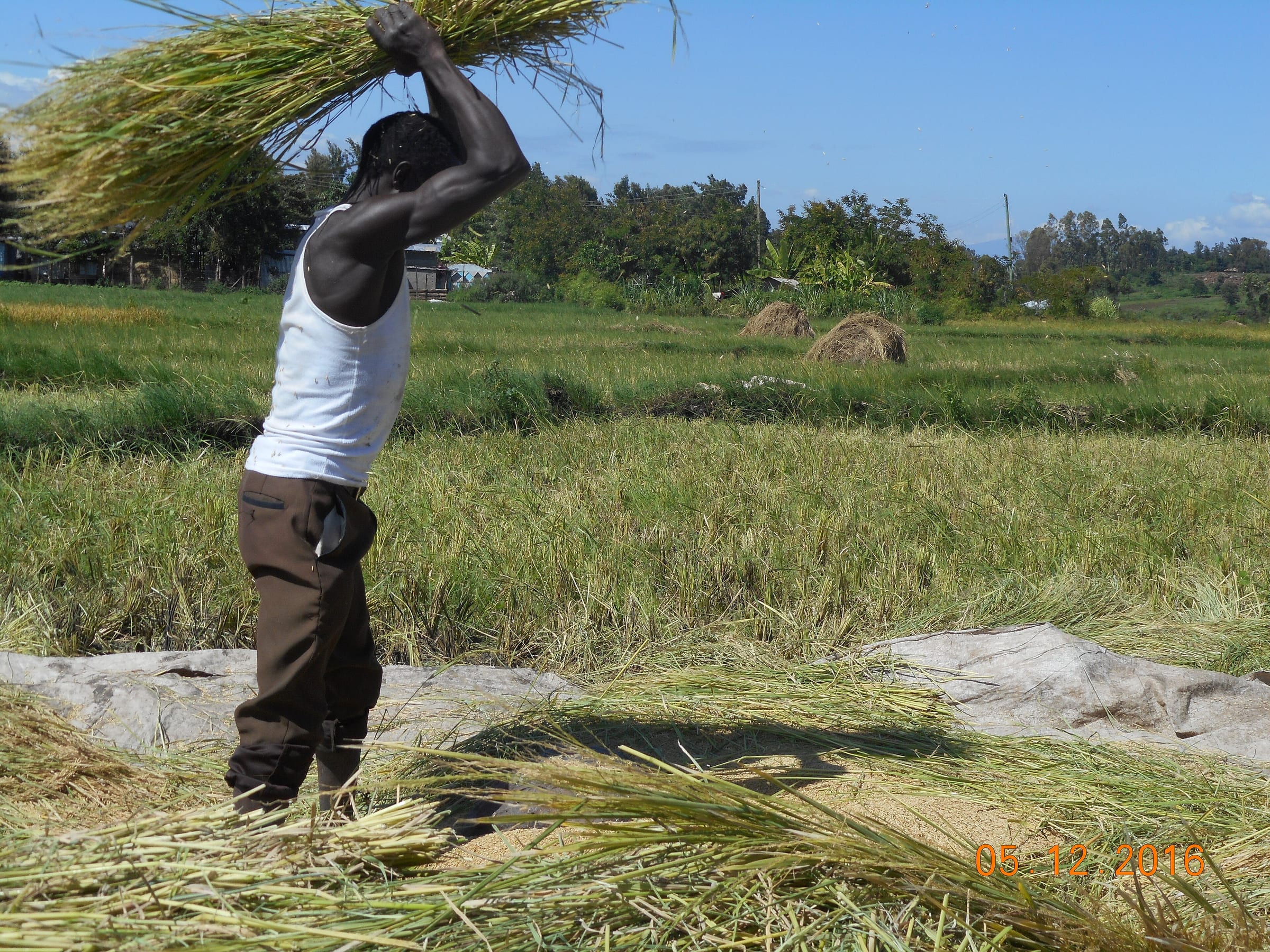
Some of Kenya's best birding costs nothing to access. Kakamega's Isecheno side, the Kongelai Escarpment, the Kerio Valley, Ahero rice fields, Dunga Swamp, Manguo Swamp and Kabete Dam are all free or nominal. A nine-day itinerary built around free and low-fee sites can still produce 400+ species.
Use residency and citizen rates where they apply
Kenya Wildlife Service operates a three-tier fee structure: citizen, resident and non-resident. If you hold a work permit or dependant's pass you are a resident, and the difference is substantial — often a quarter of the non-resident rate. Bring the documentation; it will be checked.
Sleep outside the park
Park-gate towns almost always have clean, functional guesthouses for a fraction of lodge prices. Watamu for Arabuko-Sokoke, Kakamega town or the KEEP bandas for the forest, Marigat for Baringo, Naivasha town for the lake. You lose the sundowner; you keep the dawn start, which is the part that matters.
Take the matatu, then hire locally
Long-distance public transport in Kenya is fast, frequent and very cheap. Travelling between regions by matatu or bus and hiring a vehicle and driver only for the days you actually need one inside a park removes the single largest line item from most quotes.
Hire the local site guide, not a national one
Site guides at Arabuko-Sokoke, Kakamega, Baringo and Saiwa are extraordinary — they know individual roost trees and territories that no visiting guide can match. They also charge a fraction of a national guiding rate, and the money stays in the community that protects the forest.
Fly domestically when it saves a day
A Nairobi–Kisumu or Nairobi–Malindi flight can cost less than the fuel for the drive and buys back a full day of birding. On short trips this is often the cheapest decision available, not the most expensive.
What a day actually costs
Indicative daily cost, per person, sharing — independent birding, 2025
Ranges reflect season and group size. Excludes international flights. Review before quoting.
| Item | Low | High |
|---|---|---|
| Guesthouse accommodation (twin, outside parks) | $15 | $40 |
| Meals — local restaurants and self-catering | $8 | $20 |
| Local transport — matatu and shared taxi | $5 | $15 |
| Local site guide (shared between two) | $10 | $25 |
| Park or forest entry, averaged across the trip | $0 | $30 |
| Per person, per day | $38 | $130 |
Free and low-fee birding
Kabete Dam
No fee. Ducks and crakes.
Manguo Swamp
Roadside. Maccoa Duck, Great Crested Grebe.
Nairobi Arboretum
Nominal entry. Silvery-cheeked Hornbill.
Kongelai Escarpment
Public road. Red-throated Bee-eater.
Kerio Valley
Public road. White-crested Turaco.
Ahero Rice Fields
Birded from the bunds. Free.
Dunga Swamp
Small community fee. Papyrus endemics.
Sabaki River Mouth
Small community fee. Terns and pratincoles.
What budget birding costs you
Honesty matters here. Travelling this way costs you time and comfort. Matatus run when they fill, not when you would like them to. Guesthouses rarely do a 05:00 breakfast. You will spend some days moving rather than birding, and you will occasionally lose a morning to a vehicle that does not arrive.
If your trip is short and your target list is long, a private vehicle is worth every shilling — it converts money directly into birding hours. If you have three weeks and a flexible list, the budget route will show you more of Kenya than any tour ever will.
Where I fit in
I build itineraries at both ends of this range, and I will tell you honestly which one suits your trip. If the budget version is better for you, I will say so — including the days where you do not need me at all.